Telling a gas plant running on fuel oil from one burning natural gas
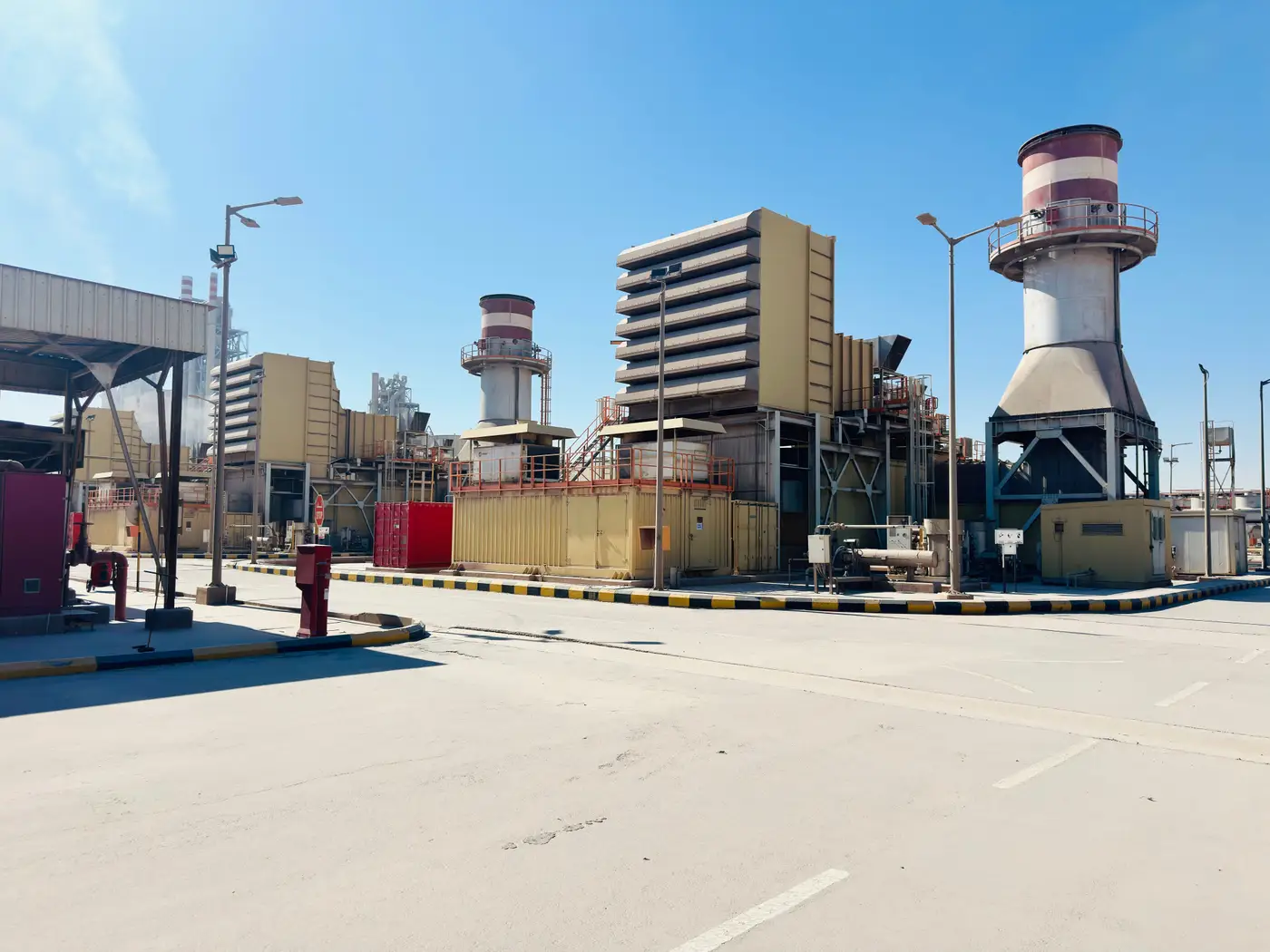
Dual-fuel peakers switch fuel for a reason, and that reason usually shows up on your Henry Hub or basis screen a few hours before it shows up in an EIA filing. When a pipeline constraint hits New England in January, or Algonquin basis blows out, the plants with firm gas contracts keep running clean. The ones burning interruptible gas, or no firm contract at all, drop to No. 2 or No. 6 fuel oil off the on-site tanks. If you're watching a specific plant to confirm which side of that line it's on, imagery gives you a few tells before any disclosure does.
What the plume actually shows you
Natural gas combustion is close to stoichiometric and low in particulates, so a gas-fired stack plume is often a heat shimmer more than a visible cloud. On a clear day with low humidity you may see almost nothing rising off the stack except the thermal distortion in the band above it. Fuel oil is a different story. No. 6 in particular carries sulfur and ash content that gas doesn't, and the plume tends to run darker and more persistent, sometimes with a visible brownish or gray cast depending on burn quality and scrubber status. A plant that normally shows a near-invisible stack suddenly throwing a dense, opaque plume on a cold snap day is a strong candidate for a fuel switch, especially if the switch lines up with a known gas-curtailment event in that pipeline zone.
Color alone isn't proof, though. Ash content and plume opacity depend on load, ambient temperature, and how well the burners are tuned, so you're reading a pattern across several passes, not a single frame. A plant you've tracked weekly for a season gives you a baseline plume signature for its normal gas-fired state, and that baseline is what makes a deviation legible.
Signals beyond the stack
The stack is the headline, but the rest of the site corroborates it. Dual-fuel plants that keep fuel oil on hand have above-ground storage tanks on site, and tank farm activity is one of the more reliable secondary signals. A visible drop in tank shadow length or an obvious level change across consecutive weekly passes suggests oil is being drawn down, which only happens if the unit is burning it or getting ready to. Delivery activity matters too: tanker trucks or rail cars staged near the unloading rack in the days before a cold-weather event often precede a switch, since plants restock ahead of forecast demand rather than during it.
Cooling-water discharge is a second corroborating signal. Thermal imagery of the outfall plume tells you whether a unit is running at all and roughly how hard, independent of fuel type. A unit showing a strong thermal discharge plume the same week its stack plume turns visibly heavier and its tank farm shows a level drop is a much stronger fuel-switch read than any one of those signals alone. None of them is dispositive by itself. Stacked together across a few consecutive weeks, they build a case you can chart against the gas basis move that likely triggered the switch.
This is the gap a weekly nowcast is built to close: a named plant's stack and cooling-water signature plus its coal- or fuel-pile volumetrics, read consistently enough that a change in plume character or tank level actually means something against last week's pass. You can see how that series is put together on Power Plant Activity's landing page, including how the cadence lines up with the kind of fuel-switch window described above.
If you're tracking a specific dual-fuel unit through a cold-weather gas-constraint season, get in touch and we'll talk through what a weekly pass on that plant would look like.